The Future of Housing: Exploring the World of Prefabricated Homes
Introduction
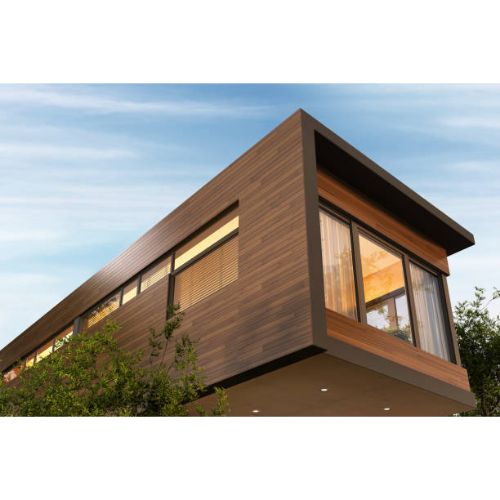
The world of housing is rapidly evolving, and one trend that's been gaining momentum in recent years is the rise of prefabricated homes.
These modern marvels are changing the way we think about construction, offering numerous benefits from affordability to sustainability.
In this blog post, we'll take a deep dive into the world of prefabricated homes and explore why they're becoming the future of housing.
What Are Prefabricated Homes?
Before we delve into the reasons behind the popularity of prefabricated homes,
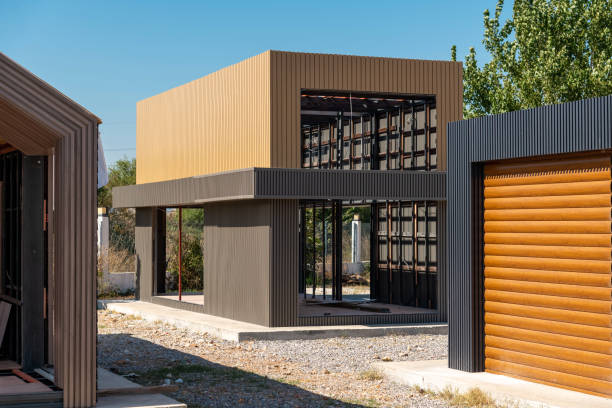
let's clarify what they are. Prefabricated homes, often called prefab or modular homes, are structures
that are built off-site in a factory or manufacturing facility.
They are then transported to the construction site and assembled.
Advantages of Prefabricated Homes
* Cost-Effective: Prefabricated homes can be more cost-effective than traditional construction. The controlled environment of a factory reduces the likelihood of costly delays and errors.
* Sustainability: Many prefab homes are designed with sustainability in mind. They often incorporate eco-friendly materials, energy-efficient features, and reduce construction waste.
* Speed of Construction: Prefabricated homes can be built much faster than traditional homes. This means you can move into your new home sooner.
* Customization: Contrary to common misconceptions, prefab homes offer a high degree of customization. You can choose from various designs, layouts, and finishes to suit your preferences.
* Quality Control: Manufacturing facilities have strict quality control processes in place, resulting in a consistently high-quality product.
What Are Prefabricated Homes?
Before we delve into the reasons behind the popularity of prefabricated homes,
let's clarify what they are. Prefabricated homes, often called prefab or modular homes, are structures
that are built off-site in a factory or manufacturing facility.
They are then transported to the construction site and assembled.
Advantages of Prefabricated Homes
* Cost-Effective: Prefabricated homes can be more cost-effective than traditional construction. The controlled environment of a factory reduces the likelihood of costly delays and errors.
* Sustainability: Many prefab homes are designed with sustainability in mind. They often incorporate eco-friendly materials, energy-efficient features, and reduce construction waste.
* Speed of Construction: Prefabricated homes can be built much faster than traditional homes. This means you can move into your new home sooner.
* Customization: Contrary to common misconceptions, prefab homes offer a high degree of customization. You can choose from various designs, layouts, and finishes to suit your preferences.
* Quality Control: Manufacturing facilities have strict quality control processes in place, resulting in a consistently high-quality product.
Types of Prefabricated Homes
There are several types of prefab homes to choose from:
* Modular Homes: These are built in sections or modules, then transported and assembled on-site.
* Manufactured Homes: Also known as mobile homes, these are constructed entirely in a factory and transported to their final location.
* Panelized Homes: These homes consist of panels or wall sections that are produced in a factory and assembled on-site.
Notable Prefabricated Home Projects
* The "Homb" in Sweden: This stunning prefab home showcases modern design and sustainability, with a focus on energy efficiency and eco-friendly materials.
* The "WeeHouse" in the USA: WeeHouses are compact, customizable prefab homes that have gained popularity for their simplicity and style.
* The "Cliff House" in Canada: This dramatic cliffside prefab home demonstrates the versatility and adaptability of prefab construction.
Conclusion
Prefabricated homes are redefining the housing industry, offering innovative solutions for modern living.
They provide an exciting avenue for homeowners to enjoy affordability, sustainability, and quality in their new homes.
As the world continues to embrace sustainable living, it's clear that prefab homes will play an increasingly important role in shaping the future of housing.