The Art and Science of Metal Fabricated Structures
Introduction
Metal fabricated structures have played a pivotal role in shaping the modern world. From towering skyscrapers to intricate sculptures, these creations stand as a testament to human ingenuity, engineering prowess, and artistic expression.
In this blog, we'll delve into the fascinating world of metal fabricated structures, exploring their history, the materials and techniques involved, their diverse applications, and their enduring impact on our lives.
The Evolution of Metal Fabricated Structures
The roots of metal fabrication can be traced back thousands of years to ancient civilizations. Early metalworkers crafted tools, weapons, and ornaments from bronze, copper, and iron. However, it was the Industrial Revolution in the 18th and 19th centuries that marked a significant turning point in the world of metal fabrication.
With the advent of new technologies and materials, metalworking expanded into construction and engineering on an unprecedented scale.
Materials and Techniques
* Steel: The most common material used in metal fabrication is steel. Its strength, durability, and versatility make it ideal for a wide range of applications. Steel can be shaped, welded, and joined using various techniques, including arc welding, MIG welding, and TIG welding.
* Aluminum: Aluminum is prized for its lightweight properties and corrosion resistance. It is often used in aerospace and architectural applications. Fabrication techniques for aluminum include cutting, bending, and welding.
* Stainless Steel: Known for its resistance to corrosion and staining, stainless steel is commonly used in the construction of architectural features, kitchen equipment, and medical instruments. Fabrication methods include machining, welding, and forming.
* - Copper: This malleable metal is celebrated for its aesthetic qualities and electrical conductivity. It is frequently used in decorative elements, electrical wiring, and plumbing systems. Copper can be forged, brazed, and soldered.
Applications
Before we delve into the reasons behind the popularity of prefabricated homes,
let's clarify what they are. Prefabricated homes, often called prefab or modular homes, are structures
that are built off-site in a factory or manufacturing facility.
They are then transported to the construction site and assembled.
Advantages of Prefabricated Homes
* Metal fabricated structures find applications in a multitude of industries and sectors:
* Architecture: Iconic structures like the Eiffel Tower and the Sydney Opera House showcase the artistic and engineering possibilities of metal fabrication. Metal components are essential in the construction of modern buildings, bridges, and facades.
* Transportation: From cars and trains to airplanes and ships, metal fabrication is integral to the transportation industry. Lightweight yet sturdy materials are crucial for efficient and safe travel.
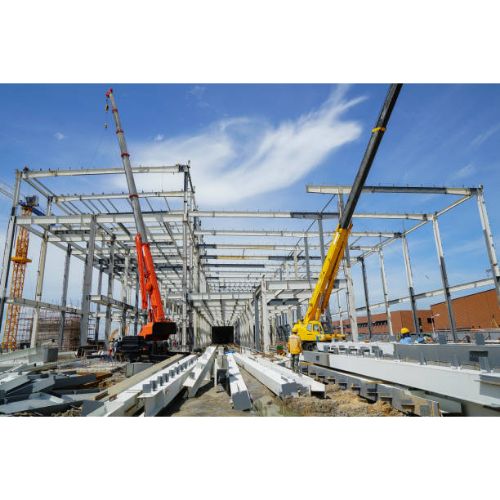
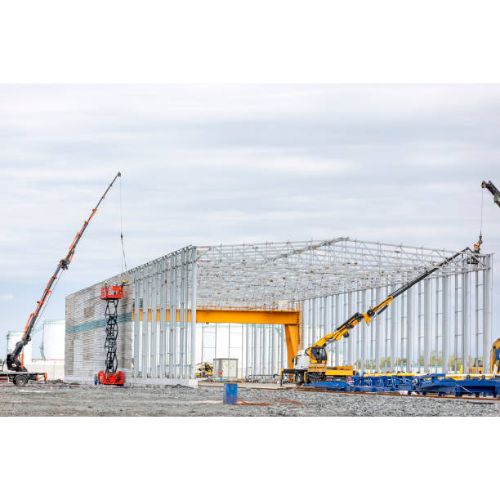
* Industrial Machinery: Factories and manufacturing facilities rely heavily on metal fabricated structures to house equipment, convey materials, and support various processes.
* Energy Production: Power plants and renewable energy installations often feature metal structures that house generators, turbines, and other critical components.
* Art and Sculpture: Metal fabrication is a favored medium for artists and sculptors, enabling them to create intricate and awe-inspiring works of art.
Enduring Impact
The impact of metal fabricated structures on our daily lives cannot be overstated.
They provide the framework for our cities, the vessels for our transportation, and the canvases for artistic expression.
Beyond their functional roles, these structures serve as symbols of human achievement, resilience, and innovation.
Conclusion
Metal fabricated structures represent the convergence of art and science, blending aesthetics with engineering excellence. They have evolved from rudimentary tools to complex architectural wonders, leaving an indelible mark on our world. As technology continues to advance, we can only anticipate more astonishing creations in the realm of metal fabrication, pushing the boundaries of what is possible in both form and function.